


The pak vs ind asia cup 2025 contest stood out as one of the most closely followed fixtures of the tournament. Matches between Pakistan and India traditionally attract enormous attention because the cricketing rivalry extends beyond ordinary competition. Every delivery can influence the mood of millions of supporters, while players face the challenge of performing under exceptional pressure.
The Asia Cup provides an especially important setting for this rivalry because teams compete in a major continental tournament while preparing for broader international challenges. The 2025 edition brought renewed attention to batting combinations, bowling strategies, middle-over control, and the ability to handle high-pressure situations.
Beyond the final score, the pak vs ind asia cup 2025 fixture offered several useful lessons about modern limited-overs cricket. Both sides entered with talented players, different tactical approaches, and strong expectations from their supporters. Understanding those elements makes the rivalry more interesting than simply looking at the result.
Why the Pakistan-India Rivalry Remains Special
Pakistan and India have one of cricket’s most recognizable rivalries. Their encounters often generate extraordinary interest even before the teams walk onto the field. The limited number of bilateral matches between the sides has also made major tournament meetings particularly valuable to fans.
The pak vs ind asia cup 2025 matchup carried this traditional importance while taking place within a competitive tournament environment. Unlike a standalone exhibition, an Asia Cup fixture can have consequences for qualification, momentum, net run rate, and confidence.
The rivalry also creates a unique psychological challenge. Players must maintain normal preparation despite intense media attention and public expectations. A batter may need to ignore the atmosphere after losing an early wicket, while bowlers have to remain disciplined when facing internationally experienced opponents.
This combination of sporting quality and emotional intensity is what makes Pakistan-India matches different from most other fixtures.
Tournament Context and Strategic Importance
An Asia Cup campaign is not simply about winning one high-profile game. Teams need to manage their resources across the tournament. Bowling workloads, player combinations, batting depth, and adaptability can all influence the eventual outcome.
The pak vs ind asia cup 2025 fixture therefore needed to be considered within the larger competition. Captains had to think about how aggressively to use their main bowlers, when to introduce spin, and how to protect their strongest batting options for crucial stages.
T20 cricket makes these decisions even more important because there are fewer deliveries available to recover from mistakes. A slow powerplay, an expensive over, or a short period of poor fielding can quickly change the direction of a match.
A useful way to understand the strategic areas is through the following comparison:
| Match Area | Pakistan | India |
|---|---|---|
| Batting approach | Aggressive stroke play combined with adaptable partnerships | Strong top-order intent and flexible scoring options |
| Bowling focus | Pace variations, attacking lengths and pressure | Pace-spin combinations and control through different phases |
| Middle overs | Important for rebuilding or maintaining momentum | Important for controlling scoring and targeting matchups |
| Fielding | Direct-impact moments can shift momentum | Athletic fielding can create pressure and save runs |
| Pressure management | Requires composure during key passages | Requires consistency despite high expectations |
Batting Performances That Can Shape the Contest
Batting in a Pakistan-India match requires more than technical ability. Players need to understand conditions, identify scoring areas quickly, and avoid unnecessary risks.
During the pak vs ind asia cup 2025 encounter, attention naturally focused on the leading batters. Opening partnerships were particularly important because a strong start gives the middle order greater freedom. Conversely, early wickets can force a team to change its planned scoring pattern.
Powerplay cricket has become increasingly aggressive, but attacking every delivery is rarely the best approach. Successful batters assess the bowler, field placement, pitch behavior, and match situation before choosing their shots.
Middle-order players also carry significant responsibility. If the opening pair scores quickly, they can accelerate the innings. If early wickets fall, they may need to rebuild before launching a late assault.
Finishing ability is another crucial factor. The final overs often require clean hitting, intelligent strike rotation, and an understanding of which bowlers can be targeted.
Bowling Plans and Middle-Over Battles
Bowling strategy can determine the balance of a high-pressure limited-overs match. Fast bowlers generally aim to create early breakthroughs, while spinners can control the scoring rate and exploit changes in batter movement.
The pak vs ind asia cup 2025 battle highlighted why bowling plans cannot remain fixed throughout an innings. Captains need to react to partnerships rather than simply follow a predetermined sequence.
For example, a bowler may change from attacking the stumps to using wider lines when a batter begins targeting straight boundaries. Similarly, a spinner may alter pace and trajectory depending on whether the batter is attempting to sweep or advance down the pitch.
Death-over bowling is another major challenge. Yorkers, slower deliveries, wide lines, and changes of pace can all be effective, but execution is critical. A poorly delivered variation can become an easy boundary.
The Role of Pressure and Game Awareness
Pressure is one of the defining features of Pakistan-India cricket. Players may have considerable international experience, yet the atmosphere surrounding this fixture can still influence decision-making.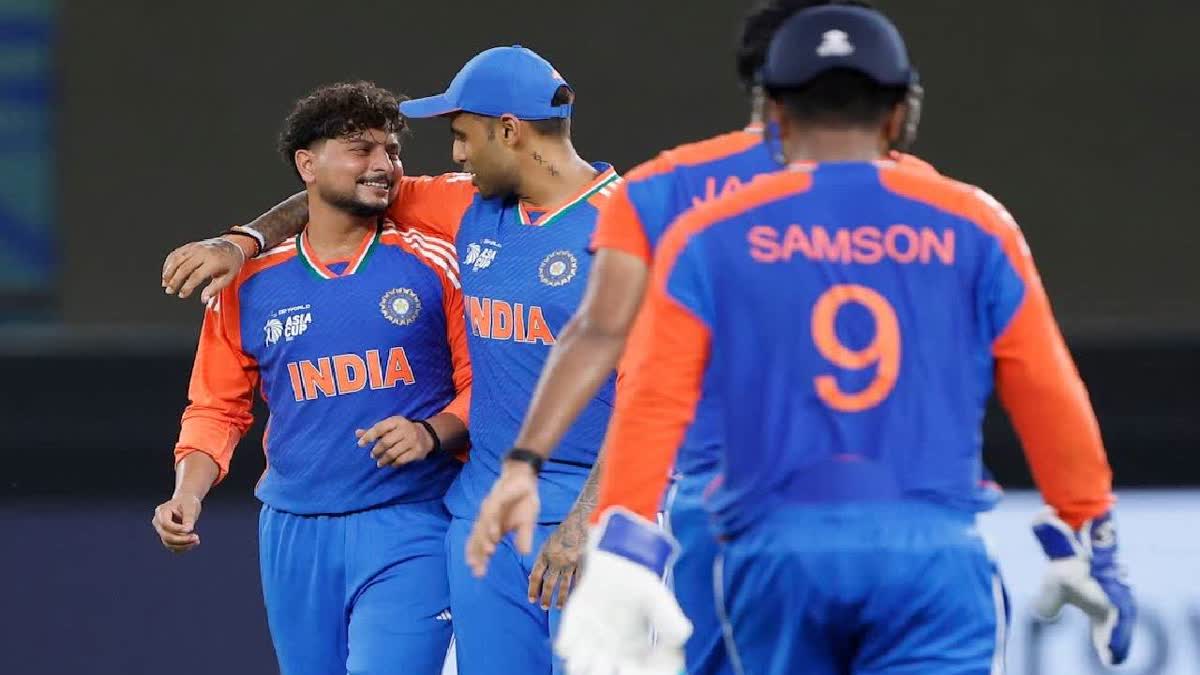
In the pak vs ind asia cup 2025 setting, game awareness was especially important. A team does not necessarily need to dominate every over. Instead, it needs to identify moments when aggression is justified and periods when rebuilding is smarter.
Successful teams generally understand the difference between calculated risk and unnecessary risk. A batter protecting a partnership may rotate the strike rather than attempt a difficult boundary. A captain may save a key bowler for a specific matchup instead of using the bowler immediately.
These small decisions can accumulate and ultimately influence the result.
Key Matchups to Watch in Pakistan vs India Games
Pakistan-India contests often revolve around individual battles. A quality fast bowler against an aggressive opener can establish the tone of an innings, while a spinner against a powerful middle-order batter can become equally important.
The pak vs ind asia cup 2025 discussion naturally included these one-on-one battles because matchups are increasingly central to modern cricket strategy.
Some areas deserve particular attention:
- New-ball bowlers against attacking opening batters.
- Spinners challenging batters who prefer pace on the ball.
- Middle-order partnerships against defensive field settings.
- Finishers facing specialist death bowlers.
- Fielding units attempting to create pressure through sharp movement.
The important point is that a matchup does not operate in isolation. Its impact depends on the score, wickets remaining, required run rate, and field placements.
How Modern T20 Tactics Influence the Rivalry
Modern T20 cricket has changed how teams approach traditional rivalries. Data analysis, matchup planning, flexible batting orders, and specialized bowling roles now influence tactical decisions.
In the pak vs ind asia cup 2025 environment, these modern principles were particularly relevant. Teams could analyze batter preferences and bowler tendencies before the match, but conditions on the day still required rapid adaptation.
Impact substitutes and squad depth have also encouraged teams to build combinations around specific match situations. A team may prioritize additional batting in one game or choose an extra bowling option when conditions favor slower deliveries.
However, statistics alone cannot predict every outcome. Cricket remains dependent on execution. A perfectly designed plan can fail if catches are dropped, fielders misjudge boundaries, or bowlers miss their intended lengths.
Fan Expectations and the Bigger Cricketing Picture
The pak vs ind asia cup 2025 fixture attracted attention well beyond the tournament standings. Fans follow these games for national pride, memorable performances, dramatic turning points, and individual brilliance.
Social media has also changed the way supporters experience major cricket matches. Discussions begin before the toss and continue long after the final delivery. A single six, wicket, dropped catch, or controversial decision can dominate conversations instantly.
For players, however, separating outside noise from professional preparation is essential. The strongest performers concentrate on controllable factors: technique, communication, fitness, tactical awareness, and execution.
That balance between public excitement and professional focus is a major part of elite cricket.
Lessons for Future Pakistan-India Encounters
The pak vs ind asia cup 2025 contest also provides broader lessons for future matches. First, preparation needs to include multiple tactical options because conditions can change rapidly. Second, teams require enough batting depth to recover from unexpected wickets. Third, bowling attacks need variations without sacrificing accuracy.
Fielding remains equally important. In close matches, a saved boundary or sharp catch can be as valuable as a quick scoring burst. Fitness and concentration therefore have a direct influence on the final result.
For young cricketers watching these encounters, the biggest lesson is that pressure management is part of skill development. Technique gets players into elite cricket, but decision-making under pressure often separates outstanding performances from ordinary ones.
Conclusion
The pak vs ind asia cup 2025 rivalry represented the combination of tournament pressure, elite talent, tactical planning, and extraordinary fan interest that has long defined Pakistan-India cricket. Its significance extended beyond individual overs because every phase presented different challenges for batters, bowlers, captains, and fielders.
The pak vs ind asia cup 2025 matchup also demonstrated why preparation must be flexible. Powerplay intent, middle-over control, death bowling, fielding standards, and pressure management can all determine the direction of a high-profile T20 game. Ultimately, the lasting appeal of Pakistan versus India comes from uncertainty. Previous records may influence expectations, but once the match begins, execution takes over. That combination of history, rivalry, strategy, and unpredictable cricket ensures that future meetings will continue to attract enormous attention from supporters around the world.