


The Australia vs Zimbabwe cricket contest brings together two teams with different cricketing histories, resources, and competitive traditions. Australia is widely recognized for its success in international cricket, with a strong record in major tournaments and a reputation for producing outstanding batters, fast bowlers, and all-rounders. Zimbabwe, meanwhile, has developed a distinctive cricketing identity through talented players, determined performances, and occasional victories against higher-ranked opponents.
Matches between these teams offer an interesting contrast between Australia’s established international pedigree and Zimbabwe’s ambition to challenge stronger sides. Although Australia has generally enjoyed greater success in their encounters, Zimbabwe has demonstrated that disciplined bowling, fearless batting, and effective teamwork can create difficult situations for any opponent. The outcome of an individual match still depends on conditions, team selection, preparation, and performances on the day.
For cricket followers, this matchup provides opportunities to assess batting depth, bowling strategies, fielding standards, and the influence of experienced players. Understanding the teams’ backgrounds and playing styles also helps readers appreciate the tactical decisions that shape international cricket.
Overview of Australia and Zimbabwe Cricket
Australia has one of the most successful records in international cricket. Its cricketing culture emphasizes competitive preparation, physical fitness, tactical awareness, and the ability to perform under pressure. Across Test matches, One Day Internationals (ODIs), and Twenty20 Internationals (T20Is), Australia has produced generations of influential players. Its domestic cricket structure and professional development pathways have consistently helped emerging talents progress to the international stage.
Zimbabwe has faced a different journey. The national team has experienced periods of rebuilding, financial and administrative challenges, and changes in international competitiveness. Despite these obstacles, Zimbabwe has continued to develop promising cricketers and compete across international formats. Its players have often relied on adaptability, technical skill, and collective determination to challenge more established opponents. When the team combines accurate bowling with partnerships in the middle order, it can put pressure on even highly rated sides.
These contrasting backgrounds make Australia vs Zimbabwe an appealing fixture for fans who enjoy examining how preparation, experience, and execution influence cricket results.
Australia vs Zimbabwe Head-to-Head Record
The historical record shows Australia’s overall dominance, particularly in One Day Internationals. However, Zimbabwe’s early success against Australia remains an important part of cricket history. On 9 June 1983, Zimbabwe defeated Australia by 13 runs in the Cricket World Cup, marking a remarkable result in the tournament and Zimbabwe’s first ODI. That performance demonstrated the team’s ability to compete against established international opponents.
In ODIs through September 2026, Australia had recorded 32 victories, while Zimbabwe had won three matches, with one match ending without a result. The teams have also met in Test cricket, where Australia has historically held the advantage. Their T20I encounters have been more unpredictable, including Zimbabwe’s famous victory at the 2007 World Twenty20 and another major win in the 2026 T20 World Cup.
The head-to-head record is useful for understanding long-term performance, but it should not be treated as a guarantee of future results. Team combinations, player availability, pitch conditions, and match format can significantly influence the outcome of an individual contest.
Recent Match Results and Key Performances
The latest encounters have provided compelling examples of both Australia’s consistency and Zimbabwe’s capacity to produce an upset. In the September 2026 ODI series in Harare, Australia won all three matches, demonstrating its batting depth and ability to recover from challenging situations.
The opening match saw Australia score 294 for eight, with Matt Renshaw making 109 runs in his maiden ODI century. Zimbabwe replied with 235, despite useful contributions from Craig Ervine and Sikandar Raza. Nathan Ellis claimed five wickets for 31 runs, while Zimbabwe’s Newman Nyamhuri also took five wickets, underlining the competitive quality of the contest.
Earlier in February 2026, Zimbabwe defeated Australia by 23 runs in the T20 World Cup. Zimbabwe scored 169 for two, driven by Brian Bennett’s unbeaten 64, before bowling Australia out for 146. Blessing Muzarabani took four wickets for 17 runs, helping secure one of Zimbabwe’s most memorable recent international victories.
These contrasting results illustrate an important lesson: past records matter, but execution on the day remains decisive.

Key Australian Players to Watch
Australia’s strength traditionally comes from a combination of experienced international performers, aggressive top-order batters, versatile all-rounders, and fast bowlers capable of exploiting small technical weaknesses. Depending on squad selection and availability, players such as Travis Head, Mitchell Marsh, Alex Carey, Glenn Maxwell, and other established names can influence the team’s approach.
Travis Head is known for attacking batting that can change a match’s momentum quickly. Mitchell Marsh offers leadership and all-round options, while Alex Carey provides wicketkeeping ability and useful middle-order batting. Glenn Maxwell, when selected and available, can add explosive scoring and flexible bowling options, especially in limited-overs cricket.
Australia’s fast-bowling tradition is another major advantage. Bowlers who consistently hit good lengths, generate bounce, and execute yorkers can restrict Zimbabwe’s scoring opportunities. Yet Australia’s success does not depend on individual stars alone. Strong partnerships, sharp fielding, and well-timed bowling changes help turn individual contributions into match-winning performances.
Zimbabwe’s Key Players and Strengths
Zimbabwe’s competitive potential comes from a combination of experienced leaders and emerging talent. Sikandar Raza has been an important figure because of his all-round skills, tactical awareness, and ability to contribute in high-pressure situations. Craig Ervine has provided experience in the batting order, while players such as Brian Bennett and Blessing Muzarabani have demonstrated how emerging or developing talent can influence major international fixtures.
Raza’s batting can stabilize an innings or accelerate scoring when the situation demands it. His off-spin also gives Zimbabwe a useful option in the middle overs. Muzarabani’s height and pace can trouble batters through bounce and movement, particularly when conditions offer assistance. Bennett’s performance in the 2026 T20 World Cup showed the value of composure and calculated aggression against a highly regarded bowling attack.
Zimbabwe will generally benefit from building partnerships rather than relying on a single player to carry the innings. Accurate bowling, athletic fielding, and disciplined execution are equally important. When the team limits mistakes and applies pressure across consecutive overs, its chances of challenging Australia improve significantly.
Comparison of Australia and Zimbabwe
The two teams differ in historical achievements, player depth, and their usual approach to international matches. Australia often enters a contest with greater experience across formats and more options in both batting and bowling. Zimbabwe, however, can make matches competitive by using disciplined bowling, building partnerships, and taking advantage of opportunities when pressure shifts to the opposition.
| Comparison factor | Australia | Zimbabwe |
|---|---|---|
| Cricketing history | Long record of international success | History of resilience and rebuilding |
| Batting approach | Often combines aggression with depth | Benefits from partnerships and calculated aggression |
| Bowling strengths | Pace, bounce, variation, and spin options | Seam bowling, spin, and disciplined execution |
| Fielding | Strong athletic and tactical standards | Can compete through energy and coordination |
| ODI head-to-head record through September 2026 | 32 wins | 3 wins |
| Notable recent achievement | Won the 2026 ODI series 3–0 | Beat Australia in the 2026 T20 World Cup |
The comparison shows why Australia is often considered the favourite while also explaining why Zimbabwe should not be underestimated. The ODI record reflects Australia’s sustained advantage, but Zimbabwe’s recent T20 World Cup victory demonstrates that the shorter format can create opportunities for an upset.
How Pitch and Weather Conditions Affect Matches
Pitch conditions can play a major role in determining the result of an international cricket match. On a hard surface with consistent bounce, Australian batters may be able to play attacking strokes more freely, while fast bowlers can exploit bounce and carry. If the pitch is slower or offers turn, Zimbabwe’s spinners and change-of-pace bowlers may find more opportunities to restrict scoring.
Weather conditions also influence strategy. Cloud cover and moisture can help seam bowlers, especially during the opening overs of a limited-overs match. In hot and dry conditions, spinners may become more influential as the surface wears. Dew during an evening game can make bowling difficult and affect the captain’s decision at the toss.
Teams therefore need to assess the playing surface before selecting their final combination. Captains may prefer to bat first when they expect the pitch to deteriorate or choose to field first when conditions appear favourable for early movement. In Australia vs Zimbabwe encounters, adapting quickly to the conditions can be just as important as the reputation of the players.
Match Strategies in Test, ODI, and T20 Cricket
Each international format requires a different approach. Test cricket rewards patience, technical discipline, and sustained pressure. Australia traditionally has considerable experience in these conditions, while Zimbabwe needs to focus on long batting partnerships, accurate bowling, and minimizing costly errors. A successful session can change a Test match, but teams must maintain concentration over several days.
ODI cricket requires a balance between preserving wickets and maintaining a healthy scoring rate. Batters must manage the powerplay, build partnerships during the middle overs, and accelerate at the end. Bowlers need to combine attacking deliveries with economical spells. The September 2026 ODI series demonstrated how Australia could recover from difficult passages and maintain control across a full 50-over contest.
T20 cricket places greater emphasis on rapid decision-making and execution. Batters look for scoring opportunities immediately, while bowlers use slower balls, yorkers, and changes of length to disrupt attacking plans. Zimbabwe’s February 2026 victory showed how an effective batting innings followed by disciplined bowling can overcome a more highly regarded opponent.
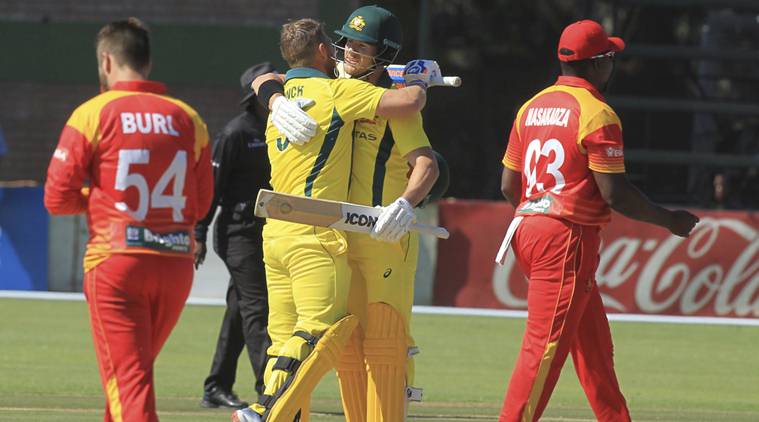
What Makes This Cricket Rivalry Interesting?
The appeal of this matchup extends beyond the difference in historical records. It offers a useful comparison between a team accustomed to competing for major honours and another seeking to establish greater consistency against leading cricket nations.
Several factors make these games worth following:
-
Individual performances: A century, a decisive bowling spell, or an exceptional fielding effort can change the contest.
-
Tactical decisions: Batting order, bowling rotations, and field placements often determine how effectively a team responds to pressure.
-
Emerging talent: International matches provide younger players with opportunities to demonstrate their abilities against experienced opponents.
-
Unexpected results: Zimbabwe’s notable victories show that rankings and past records cannot fully predict a match’s outcome.
-
Format differences: A team that struggles in an ODI may perform very differently in a T20I because the tactical demands are not the same.
For supporters, following team selection, recent form, venue conditions, and individual player statistics provides a fuller understanding of each encounter. These details help explain not only who wins but also why a particular strategy succeeds.
How to Analyse an Upcoming Match
Anyone reviewing a future fixture should look beyond historical head-to-head figures. Recent results and confirmed team selections provide a more practical starting point for evaluating likely performance. Injuries, workload management, and the availability of key all-rounders can change a team’s balance considerably.
Before making a match prediction, consider these factors:
-
Recent form: Review each team’s latest results in the same format.
-
Batting depth: Check whether the lineup has reliable top-order batters and capable finishers.
-
Bowling balance: Assess the availability of fast bowlers, spinners, and dependable death-over options.
-
Venue conditions: Consider pitch behaviour, weather forecasts, and whether the ground favours batting or bowling.
-
Player matchups: Examine how particular batters perform against pace, spin, and different bowling styles.
-
Pressure management: Evaluate how both teams respond after losing early wickets or conceding a high scoring rate.
These indicators help produce a more balanced assessment than relying solely on team reputation. Australia may have the stronger overall record, but Zimbabwe’s performances show why each match deserves an independent evaluation.
Conclusion
Australia and Zimbabwe represent two different but valuable stories in international cricket. Australia brings a long tradition of success, experienced players, versatile bowling resources, and considerable competitive depth. Zimbabwe contributes determination, developing talent, and the ability to create memorable results against stronger opponents.
The Australia vs Zimbabwe rivalry has produced both expected Australian victories and significant Zimbabwean upsets. The 2026 ODI series demonstrated Australia’s consistency, while Zimbabwe’s T20 World Cup victory highlighted the unpredictability of the shorter format. Together, these results show that historical dominance and individual match performance are not always the same thing.
For cricket fans, the best way to understand future contests is to examine recent form, team combinations, playing conditions, and tactical execution. Although Australia may often enter as the favourite, Zimbabwe has shown that disciplined cricket and confident performances can make any encounter competitive.