


The Hockey Olympics is one of the most exciting sporting attractions, bringing together talented athletes from around the world to compete for international recognition and the ultimate prize: an Olympic gold medal. Olympic hockey combines speed, skill, teamwork, strategy, and national pride, creating intense matches that attract millions of sports fans. The sport features two major disciplines at the Summer and Winter Olympic Games: field hockey and ice hockey. Although both share the name hockey, they have different playing surfaces, equipment, rules, and competition formats.
Field hockey is played on a synthetic outdoor surface, with players using curved sticks to control and strike a small ball. Ice hockey takes place on an ice rink, where skaters use sticks to move a puck and score goals. Both versions demand exceptional fitness, coordination, and tactical awareness. Understanding the Hockey Olympics means exploring these two distinct sporting traditions, their histories, leading nations, qualification systems, and the unforgettable performances that have helped make Olympic hockey a global sporting institution.
History and Evolution of Olympic Hockey
Field hockey has a long Olympic history, with the men’s competition making its debut at the 1908 London Games. After several changes in its early Olympic participation, the sport became a regular part of the Summer Olympics from 1928. The women’s tournament was introduced at the 1980 Moscow Games, giving female athletes a major international platform to compete for Olympic honours.
Ice hockey became an Olympic sport at the 1920 Summer Olympics in Antwerp before moving to the Winter Olympics in 1924. Since then, it has developed into one of the defining events of the Winter Games. Its combination of physical intensity, rapid transitions, and skilful puck control makes it particularly popular in countries with established ice hockey traditions.
Over time, Olympic hockey has evolved through changes in equipment, playing surfaces, competition structures, and international participation. Field hockey introduced artificial turf, which improved playing consistency and encouraged a faster style of play. Ice hockey has also developed through advances in protective equipment, coaching, sports science, and tactics.
These changes have helped both sports reach wider audiences. Today, Olympic hockey represents not only competition but also the growth of international sporting opportunities, gender participation, and cooperation between national sporting organisations.
Field Hockey and Ice Hockey: Understanding the Difference
Although field hockey and ice hockey share a name, their playing styles create different experiences for athletes and spectators. Field hockey focuses on ball movement, passing combinations, positioning, and attacking patterns. Ice hockey emphasises skating ability, rapid puck control, physical endurance, and quick decisions under pressure. Both sports require players to coordinate their movements and work together to create scoring opportunities.
Comparison of the two Olympic hockey disciplines
| Feature | Field Hockey | Ice Hockey |
|---|---|---|
| Olympic event | Summer Olympics | Winter Olympics |
| Playing surface | Artificial turf | Ice rink |
| Equipment | Stick and ball | Stick, puck and skates |
| Team format | 11 players per side | Six players per side on the ice, including the goalie |
| Match structure | Four 15-minute quarters | Three 20-minute periods |
| Main skills | Passing, dribbling and positioning | Skating, puck control and shooting |
| Key international body | International Hockey Federation (FIH) | International Ice Hockey Federation (IIHF) |
The exact tournament regulations and match procedures can vary by competition. Field hockey is governed internationally by the FIH, while international ice hockey follows IIHF rules.

How Olympic Hockey Tournaments Work
Olympic hockey tournaments generally begin with a preliminary stage before progressing to knockout matches. Teams compete to earn points, improve their standings, and secure a place in the medal rounds. The tournament structure depends on the discipline, the number of participating teams, and the regulations established for each edition of the Games.
In field hockey, the men’s and women’s Olympic competitions traditionally feature 12 teams each. The teams are divided into two pools, with the leading sides advancing to the quarter-finals. Successful teams then move through the semi-finals before competing for gold or bronze. This structure rewards consistency during the group stage while ensuring that knockout matches remain decisive.
Ice hockey follows a different format. At the 2026 Winter Olympics, the men’s tournament included 12 teams divided into three groups of four. Teams were ranked using group results and other criteria, with the strongest sides receiving a direct route to the quarter-finals. Other teams competed in qualification play-offs for the remaining quarter-final places. The women’s tournament used two preliminary groups of five teams, followed by quarter-final
The knockout stage is especially demanding because a single defeat can end a team’s gold-medal hopes. Coaches must balance attacking ambition with defensive discipline, manage player fatigue, and make tactical adjustments quickly. Penalty shoot-outs, overtime periods, and close finishes can turn an apparently predictable match into a memorable Olympic contest.
Famous Nations in Olympic Field Hockey
Field hockey has a particularly rich Olympic tradition, with several nations building remarkable records across different generations. India is one of the sport’s historic powerhouses, having established a dominant position in men’s hockey during much of the twentieth century. Its achievements helped create a lasting connection between hockey and national sporting identity.
Pakistan also became a major force, winning multiple Olympic men’s titles and developing a reputation for creative attacking play. Other successful nations include the Netherlands, Australia, Germany, Belgium, Great Britain, and Argentina. These countries have invested in player development, coaching, domestic competitions, and international preparation.
Women’s field hockey has its own distinguished history. The Netherlands, Australia, Germany, Argentina, and Great Britain have produced competitive teams across different Olympic cycles. Success depends on more than individual talent: teams must combine technical skill with coordinated pressing, disciplined defending, and effective finishing.
India’s historic achievements remain particularly significant for fans. The country’s men’s team won Olympic gold at Tokyo 2020’s successor edition, the Tokyo 2020 Games held in 2021, and earned bronze at Paris 2024. Such performances have helped strengthen interest in the modern game and encouraged new generations of players to pursue international competition.
Leading Countries in Olympic Ice Hockey
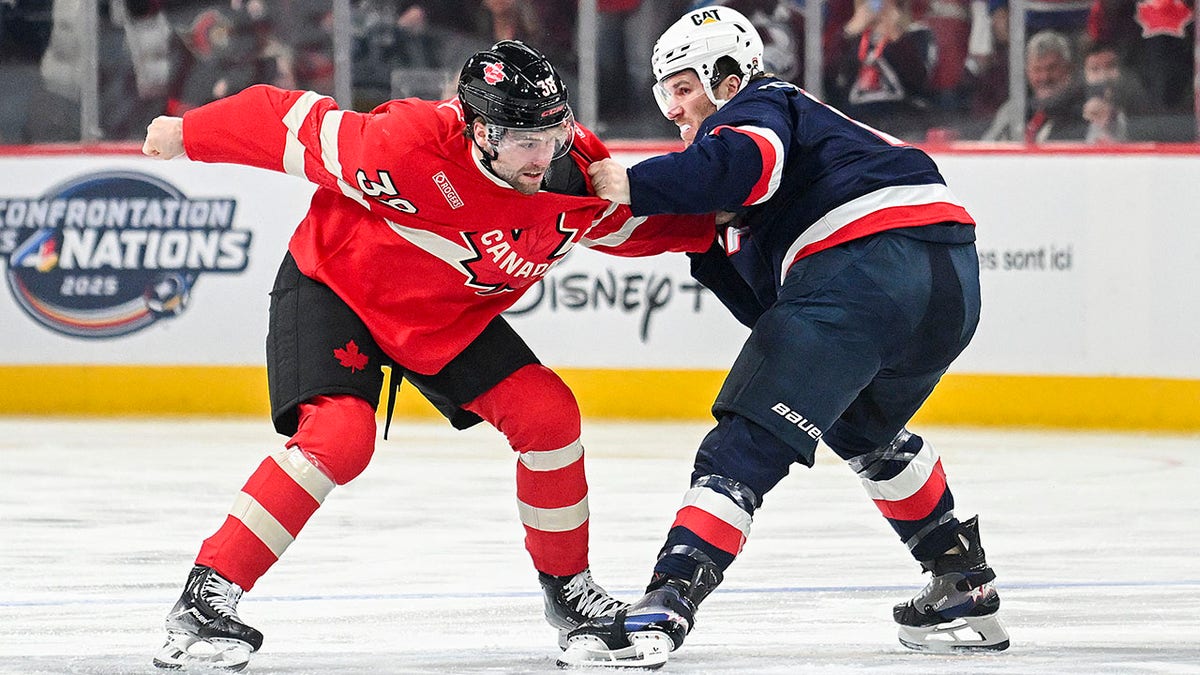
Ice hockey has developed a different international landscape, shaped by winter sports traditions, professional leagues, and strong development systems. Canada is widely associated with the sport because of its deep player base and long record of international success. The United States, Sweden, Finland, Czechia, and other European nations also regularly compete at the highest level.
Canada’s teams have produced many celebrated Olympic performances, supported by strong coaching, skilled forwards, reliable defenders, and outstanding goaltending. The United States has also built a powerful Olympic identity, including memorable contests against Canada. Sweden and Finland are respected for tactical organisation, while Czechia has a proud tradition of producing technically gifted players.
Women’s ice hockey has expanded considerably since its Olympic introduction at Nagano 1998. Canada and the United States have been especially successful, developing one of the most competitive rivalries in international women’s sport. Their matches frequently feature tight defensive systems, excellent goalkeeping, and high-pressure scoring opportunities.
The 2026 Winter Olympics brought further attention to elite international ice hockey, with both men’s and women’s competitions forming part of the Milan-Cortina programme. The event highlighted the importance of national-team chemistry, player depth, and the ability to perform under the pressure of a short tournament.
Essential Rules Every Hockey Olympics Fan Should Know
Understanding a few basic rules makes Olympic hockey easier to follow. While field hockey and ice hockey have distinct regulations, both reward teams that create legitimate scoring opportunities, defend effectively, and avoid unnecessary penalties.
Important rules and match features include:
-
Scoring: A goal is awarded when the ball or puck legally crosses the goal line.
-
Penalties: Players can be penalised for prohibited actions, with the consequences depending on the discipline and offence.
-
Teamwork: Passing, movement without possession, and communication help teams create space.
-
Goalkeepers: Goalkeepers protect the goal and play a crucial role in close matches.
-
Extra time: Knockout games may require additional play if the score is tied.
-
Video review: Officials may use approved review procedures for certain decisions, according to the applicable competition rules.
In field hockey, teams must follow rules governing legal stick use, scoring circles, free hits, and penalty corners. Penalty corners can be particularly important because they give attacking teams a structured opportunity to create a shot on goal.
Ice hockey includes rules relating to offside, icing, body contact, penalties, face-offs, and goalkeeper interference. Players rotate frequently because skating at high intensity requires substantial energy. These substitutions allow teams to maintain speed and pressure throughout the match.
Fans should also remember that Olympic regulations can differ from domestic league rules. Understanding the relevant competition format helps explain why a match may proceed to overtime or a shoot-out rather than ending in a draw.
Memorable Olympic Hockey Moments
Olympic hockey history is filled with dramatic victories, unexpected results, and performances that have influenced sporting culture. Some moments become famous because a team ends a long wait for a medal, while others are remembered for a surprising underdog victory or an exceptional individual display.
In field hockey, India’s long period of men’s Olympic success remains one of the defining stories of the sport. Its achievements established an extraordinary legacy before other nations rose to prominence through modern coaching and international competition. The later emergence of European and Australian powerhouses demonstrated how preparation, facilities, and tactical innovation can reshape an established sporting hierarchy.
Ice hockey has also produced iconic moments. The United States men’s victory over the Soviet Union at the 1980 Winter Olympics became known as the “Miracle on Ice.” The result captured global attention because an underdog American team defeated a highly favoured opponent during a period of intense geopolitical tension.
More recent tournaments have created their own lasting memories through close finals and fierce international rivalries. The men’s field hockey final at Tokyo 2020, for example, saw Belgium defeat Australia in a shoot-out. Meanwhile, the continuing competition between Canada and the United States in women’s ice hockey has repeatedly demonstrated the narrow margins separating Olympic champions from runners-up.
These moments show why Olympic hockey remains compelling. The outcome is not determined by reputation alone; composure, tactical execution, and individual decisions can influence the result at any stage.
Training, Fitness, and Strategy in Olympic Hockey
Olympic hockey athletes prepare for years to reach the highest level of competition. Their training programmes typically combine cardiovascular conditioning, strength development, technical practice, tactical drills, and recovery. However, the specific requirements differ significantly between field hockey and ice hockey.
Field hockey players need strong acceleration, balance, hand-eye coordination, and the ability to change direction quickly. Training sessions often focus on ball control, passing accuracy, penalty-corner routines, defensive pressing, and transitions between attack and defence. Players must also maintain awareness of teammates and opponents while moving at high speed across the pitch.
Ice hockey players require skating efficiency, explosive acceleration, lower-body strength, balance, and fast reactions. Training also involves puck handling, shooting accuracy, passing under pressure, and defensive positioning. Goalkeepers follow specialised programmes designed to improve flexibility, tracking, reaction time, and control of rebounds.
Strategy is equally important in both disciplines. Coaches analyse opponents, identify weaknesses, prepare set plays, and determine how to manage the final minutes of a close contest. Sports science supports these efforts through performance monitoring, nutrition planning, injury prevention, and recovery strategies.
The best teams are not always those with the most celebrated individual players. Olympic success often comes from combining technical ability with trust, discipline, adaptability, and consistent execution throughout the tournament.
How Teams Qualify for the Olympic Games
Olympic qualification is a demanding process that gives national teams a limited number of opportunities to reach the Games. For field hockey, qualification pathways can include international leagues, continental championships, and dedicated Olympic qualification tournaments. The exact allocation of places is determined for each Olympic edition.
For the Los Angeles 2028 Summer Olympics, the approved field hockey qualification system includes the host nation, qualifying opportunities through the FIH Hockey Pro League, and continental championships. Additional routes and eligibility requirements are governed by the official qualification regulations.
Ice hockey qualification is managed through the IIHF and the Olympic qualification framework. Teams may qualify through their international rankings or through designated qualification tournaments, depending on the rules for the particular Games. Strong performances in international competitions can therefore influence a nation’s chances of reaching the Olympic stage.
Qualification involves more than winning matches. National federations must manage player availability, coaching appointments, funding, travel, facilities, and preparation schedules. Countries with smaller hockey programmes may need to overcome additional resource challenges to compete against established international powers.
For athletes, qualifying for the Olympics represents a major achievement in itself. Reaching the tournament provides an opportunity to represent their country, test their skills against the world’s strongest opponents, and inspire future players.
The Future of Olympic Hockey
The future of Olympic hockey will depend on growing participation, improving accessibility, developing young talent, and making competitions engaging for new audiences. Both field hockey and ice hockey can benefit from grassroots programmes that provide affordable access to equipment, coaching, and suitable playing facilities.
Technology is also influencing the way hockey is played and watched. Video analysis helps coaches evaluate tactical decisions, while improved broadcasting allows fans to follow matches from around the world. Performance data can support training and recovery, although athletes still rely on judgement, experience, and teamwork to make decisions during competition.
Gender equality remains another important area of development. Greater visibility for women’s tournaments, investment in coaching, and better access to training facilities can help create stronger pathways for future athletes. School programmes, community clubs, and national development initiatives can all contribute to a wider talent pool.
The Hockey Olympics also provides an international platform for nations to build sporting relationships and demonstrate the value of persistence and fair competition. As the sport continues to evolve, its appeal will depend on preserving the excitement of close matches while encouraging more people to participate at every level.
Conclusion
The Hockey Olympics represents the best of international hockey, combining athletic excellence, tactical intelligence, national pride, and unforgettable competition. From the historic achievements of field hockey nations such as India and the Netherlands to the intense rivalries of ice hockey between Canada and the United States, Olympic tournaments showcase different traditions united by a shared passion for the game.
Understanding the history, rules, teams, qualification systems, and tournament formats helps fans appreciate the dedication behind every performance. The athletes competing on these stages have spent years developing the skills and discipline required to represent their countries.
As new generations emerge and international participation grows, Olympic hockey will continue to offer exciting matches and inspiring sporting stories. Whether watched on a field or an ice rink, it remains a celebration of teamwork, resilience, and the pursuit of Olympic glory.

