


India vs West Indies is one of the most fascinating matchups in international cricket, bringing together two teams with rich histories, passionate supporters and distinctive playing styles. India is widely recognised for its strong batting line-ups, skilled spin bowlers and depth across formats, while the West Indies has a celebrated legacy of powerful hitters, athletic fielders and fast bowlers. Whenever these teams meet, fans look forward to competitive cricket, individual brilliance and memorable performances.
The rivalry has evolved significantly over the decades. West Indies dominated many international contests during the golden era of Caribbean cricket, while India grew into a major force through consistent performances in Test matches, One Day Internationals (ODIs) and Twenty20 Internationals (T20Is). Their meetings now offer a mixture of traditional cricketing battles and modern entertainment. Understanding the teams’ histories, important players, match strategies and format-specific strengths helps fans appreciate the contest beyond the final score.
History of the India and West Indies Cricket Rivalry
The cricketing relationship between India and the West Indies stretches back to the mid-twentieth century. Their early encounters established the foundation for a rivalry shaped by contrasting conditions, techniques and cricketing cultures. West Indies built a formidable reputation through outstanding fast bowlers and technically accomplished batters, while India gradually developed its own identity through disciplined batting, talented spinners and improving pace attacks.
During the 1970s and 1980s, West Indies became one of the most dominant forces in world cricket. Their formidable pace battery and aggressive approach challenged almost every opponent. India, meanwhile, produced exceptional players who demonstrated that the Caribbean side could be challenged through patience, skill and tactical discipline. India’s historic overseas performances helped strengthen its reputation as a competitive international team.
Over time, the balance of power shifted as new generations emerged. India invested in domestic cricket, player development and professional training, while West Indies continued to produce explosive batters and talented fast bowlers. Modern contests reflect these changing strengths, with both teams capable of producing match-winning performances when their key players execute their plans effectively.
India vs West Indies in Test Cricket
Test cricket represents the traditional side of this rivalry, where patience, technique and stamina often determine the result. Five-day matches challenge batters to build long innings and bowlers to maintain accuracy across different sessions. India has developed a strong record in home conditions, where its spinners can exploit turning pitches and its batters are familiar with local surfaces. West Indies, historically renowned for fast bowling, has also produced several outstanding Test batters capable of changing the direction of a match.
In Test encounters, the opening session can provide valuable clues about the pitch and the likely strategy for the remainder of the game. Batters must decide when to defend and when to score, while bowlers attempt to create pressure through disciplined lines and lengths. Partnerships are especially important because a single collapse can shift the balance of a Test match.
India’s recent Test performances have benefited from a combination of experienced players and emerging talent. West Indies, on the other hand, continues to develop players who can compete against strong international opposition. The format remains an important part of their cricketing relationship because it tests the fundamentals of the sport rather than relying only on aggressive scoring.
India vs West Indies in One Day Internationals
One Day International cricket provides a balance between traditional batting and aggressive stroke play. Both teams have experienced memorable ODI contests, with individual centuries, crucial bowling spells and dramatic finishes contributing to the rivalry. India has frequently relied on technically strong top-order batters and a versatile bowling attack, while West Indies has often looked to its power hitters to produce quick runs.
In a 50-over match, the opening overs are important for establishing a platform. Batters need to rotate the strike, find boundaries and preserve wickets for the final stages. During the middle overs, spinners and change-of-pace bowlers can restrict scoring, making partnerships and smart shot selection essential. The final overs then test a team’s finishing ability and death-bowling skills.
A recent example of the competitive nature of ODI cricket came during the 2026 bilateral series, when India won the three-match contest 2–1. The series demonstrated that even when India establishes a strong position, West Indies can respond with powerful batting and determined performances.
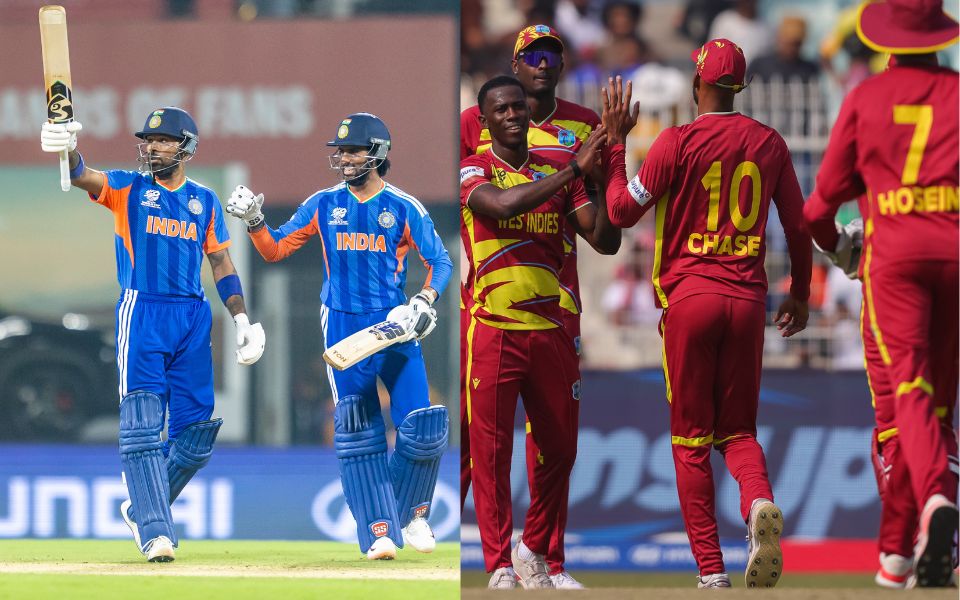
India vs West Indies in T20 International Cricket
T20 cricket has added another exciting dimension to this matchup. With only 20 overs per innings, teams must make quick decisions and take calculated risks. India has developed an aggressive batting approach supported by deep batting resources, while West Indies has a long-standing reputation for producing powerful T20 specialists who can clear the boundary with remarkable ease.
The shortest international format often produces dramatic momentum changes. A batter can score heavily in a few overs, while a bowler who takes two quick wickets can transform the contest. Captains must carefully manage their bowling options, especially during the powerplay and final overs.
The October 2026 T20I series has illustrated these qualities. After India and West Indies shared the first two matches, India won the third T20I in Indore by 14 runs on October 11. India scored 223, with Abhishek Sharma making 69 from 30 balls, before Arshdeep Singh took three wickets as West Indies finished on 209 for seven. The result gave India a 2–1 lead in the five-match series.
This type of contest explains why T20 cricket attracts such strong interest. Neither team can be considered safe until the final overs are completed, particularly when the opposition has explosive batters capable of changing the required run rate quickly.
Format-Wise Comparison of Both Teams
The following table summarises the main characteristics of the three international formats. It focuses on playing styles rather than presenting head-to-head totals that may change as new matches are completed.
|
Feature |
Test cricket |
ODI cricket |
T20I cricket |
|---|---|---|---|
|
Maximum overs |
No fixed limit per innings |
50 per side |
20 per side |
|
Main batting priority |
Build long innings |
Balance scoring and wickets |
Score quickly |
|
Bowling focus |
Sustained pressure |
Control and variation |
Wickets and economy |
|
Role of spin |
Can be decisive over time |
Important in middle overs |
Useful for controlling momentum |
|
Match duration |
Up to five days |
Usually one day |
Usually a few hours |
|
Key tactical factor |
Patience and endurance |
Partnership building |
Rapid decision-making |
The comparison shows why a team that performs well in one format may not dominate another. Test cricket rewards endurance, ODIs require flexibility, and T20Is demand rapid execution. Fans evaluating the rivalry should consider these differences instead of relying on one overall assessment of team strength.
Key Indian Players to Watch
India’s strength often comes from having several players who can contribute in different situations. Top-order batters provide a foundation, middle-order players help accelerate the innings, and all-rounders create flexibility when the match situation changes. Bowlers must combine wicket-taking ability with control, particularly when defending a total.
Abhishek Sharma is an example of an attacking batter whose aggressive approach can change a T20 innings quickly. His performance in the third T20I against West Indies in October 2026 demonstrated how a fast start can establish a challenging total. Arshdeep Singh also showed the importance of effective bowling under pressure by taking three wickets in the same match.
Other players can influence matches through different skills, including spin bowling, middle-order batting, wicketkeeping and fielding. The most successful Indian performances generally emerge when several players contribute rather than depending entirely on one individual.
Key West Indies Players to Watch
West Indies possesses a distinctive cricketing identity built around aggressive batting and the ability to produce exceptional individual performances. Its players can put pressure on opposing bowlers through powerful hitting, innovative strokes and rapid scoring. However, the team also needs disciplined bowling and reliable partnerships to convert promising positions into victories.
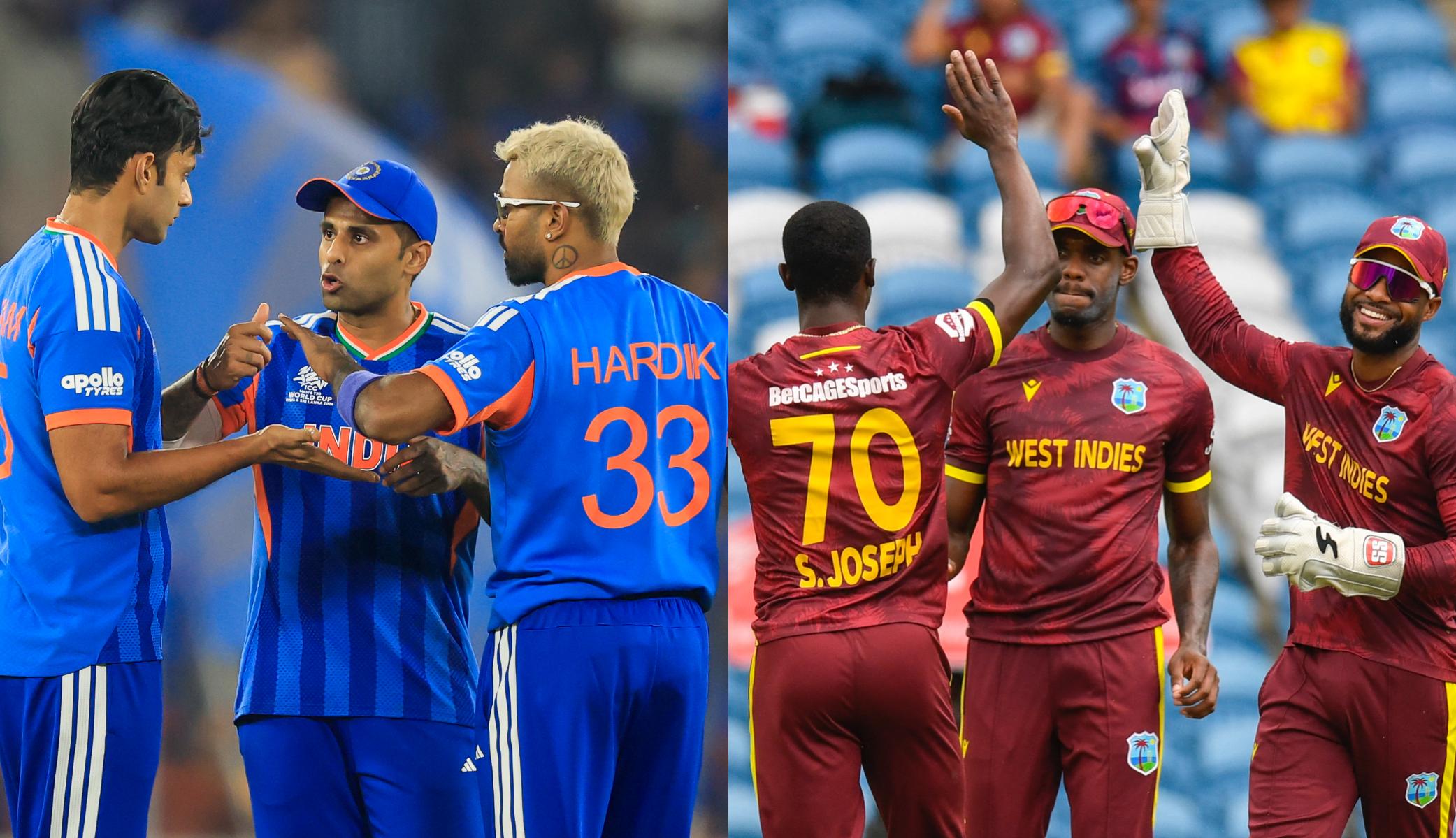
Captain Shai Hope has demonstrated his ability to adapt across formats. In the second T20I of the October 2026 series, he scored an unbeaten 102 from 45 balls as West Indies successfully chased India’s 249 for five, winning by four wickets. Sherfane Rutherford supported him with an explosive 84 from 37 balls, helping West Indies level the series at
That performance highlighted the team’s ability to pursue a demanding target when its leading batters build a strong partnership. Other West Indies players can contribute through fast bowling, spin, all-round skills and late-innings hitting. Their challenge is to maintain consistency across the full match, particularly when facing India’s varied bowling attack.
Important Factors That Can Decide a Match
Several elements can influence the outcome whenever these teams meet. Although individual talent matters, tactical choices and conditions frequently determine which side gains the advantage.
-
Pitch conditions: A dry surface may help spinners, while a fresh pitch can offer assistance to fast bowlers.
-
Powerplay performance: Early wickets can slow scoring, whereas an aggressive start can create immediate pressure.
-
Middle-order partnerships: Batters who rebuild after early dismissals can stabilise the innings.
-
Death bowling: Accurate yorkers, slower deliveries and smart field placements can restrict late scoring.
-
Fielding standards: Catching opportunities and preventing extra runs can decide closely contested matches.
-
Captaincy decisions: Bowling changes, batting order adjustments and tactical use of all-rounders can influence momentum.
-
Pressure management: Players who remain composed during difficult periods often make the difference in close finishes.
These factors are relevant across formats, although their importance varies according to match conditions. For example, patience is particularly valuable in Test cricket, while boundary prevention and rapid scoring become more critical in T20 internationals.
Why Fans Follow This Cricket Rivalry
The popularity of this matchup comes from its combination of historical significance and modern entertainment. Indian cricket supporters enjoy watching technically accomplished batters, tactical bowling and emerging players. West Indies supporters celebrate the team’s tradition of fearless batting, exciting fast bowling and memorable individual performances.
The rivalry also offers a useful comparison between different cricketing cultures. India’s large domestic talent pool has helped it build depth across formats, while West Indies continues to draw on the Caribbean region’s distinctive cricketing traditions. Each meeting gives players an opportunity to establish their reputations and create performances that supporters remember for years.
For younger fans, these matches also provide a way to understand the tactical side of cricket. Watching how a captain responds to a batting partnership, how a bowler changes pace or how a team manages a difficult run chase can make the sport more interesting. The contrast between the two teams ensures that every format offers its own challenges and opportunities.
How to Analyse Match Performance
Fans who want to understand a match beyond the final result should consider several performance indicators. The score alone does not always explain why a team won or lost. A side might post a competitive total but struggle because it lost wickets in clusters or failed to defend runs during the final overs.
Useful indicators include:
-
Batting strike rate and average.
-
Bowling economy rate and wickets taken.
-
Partnerships and runs scored during different phases.
-
Powerplay performance and wickets lost.
-
Runs conceded in the final overs.
-
Catching efficiency and fielding errors.
A balanced analysis considers both individual and team contributions. For instance, an attacking batter may score quickly but leave the middle order with too much work if wickets fall at the other end. Similarly, a bowler may take fewer wickets yet play a crucial role by restricting scoring and creating pressure for teammates.
Conclusion
India and West Indies share a rich international cricket history that continues to produce competitive matches across Test cricket, ODIs and T20 internationals. India’s tactical depth and varied bowling resources contrast with West Indies’ tradition of aggressive batting and match-changing individual performances. These differences make the contest appealing to supporters who enjoy both technical cricket and explosive entertainment.
The October 2026 white-ball series has further demonstrated the unpredictability of the rivalry, with India taking a 2–1 lead in the T20I contest after an important victory in Indore.
Future encounters will offer fresh opportunities for players to establish records, build partnerships and influence results. Ultimately, the lasting appeal of india vs west indies lies in its history, contrasting styles and capacity to deliver memorable cricket whenever the two sides take the field.