


The ind vs wi t20 contest brings together two teams with different cricketing traditions, playing styles, and approaches to the shortest international format. India are widely associated with structured batting depth, tactical flexibility, and a strong pool of T20 specialists, while West Indies have a long-standing reputation for explosive stroke play, powerful hitting, and naturally aggressive cricket. When these characteristics meet, the result can be an unpredictable and entertaining T20 battle.
T20 cricket leaves little room for slow starts or extended recovery periods. A few overs can change the direction of an innings, while one outstanding spell from a bowler can completely alter a team’s plans. For this reason, following an India versus West Indies T20 match involves more than simply watching the final score. Team combinations, pitch conditions, powerplay performances, middle-over tactics, and death-over execution can all have a major influence on the outcome.
India’s T20 Approach and Team Structure
India’s T20 strategy generally focuses on maintaining a strong balance between attacking intent and batting security. Modern T20 cricket requires players to score quickly, but teams also need enough depth to recover when early wickets fall. India’s squad structure often allows different types of batters to operate at different positions according to match conditions.
The top order has an important responsibility during the powerplay. Fielding restrictions create opportunities for boundary scoring, but aggressive batting also carries the risk of losing wickets. A successful opening partnership can therefore give the middle order a better platform for acceleration.
The middle overs require a different approach. Spin bowling, changes of pace, and variations in field placements can make boundary scoring more difficult. India’s ability to rotate the strike while finding occasional boundaries becomes especially valuable during this period.
Bowling is another important component. A T20 attack needs options with the new ball, reliable middle-over bowlers, and specialists capable of handling pressure near the end of an innings. India’s overall strength can come from having several bowling styles available rather than depending entirely on one type of bowler.
West Indies and the Power of T20 Cricket
West Indies have developed a distinctive identity in T20 cricket through their emphasis on natural attacking ability. The Caribbean region has produced numerous players who are comfortable striking boundaries against both pace and spin. This experience in franchise and international T20 cricket can contribute to a fearless approach.
In the ind vs wi t20 matchup, West Indies’ batting can become particularly dangerous when their aggressive players settle at the crease. A batter who survives the initial period can quickly change the scoring rate through powerful shots down the ground, over the leg side, and into the gaps.
However, aggression must be supported by game awareness. Losing several wickets while attempting difficult shots can place pressure on the lower order. Effective T20 batting therefore involves knowing when to attack and when to rotate the strike.
West Indies can also benefit from versatile bowling resources. Variations in pace, spin options, and bowlers capable of producing changes of trajectory can make it difficult for opposing batters to predict deliveries. Their fielding performance is equally important because T20 matches often contain narrow margins.
Key Phases That Can Shape the Match
Every T20 innings can be divided into several strategic phases, and each phase presents a different challenge.
The powerplay is usually focused on maximizing scoring opportunities while the fielding restrictions remain in place. Openers can target gaps in the inner circle, but bowlers may respond with attacking lines designed to create early wickets.
The middle overs are more tactical. Captains can introduce spin, adjust field placements, and use bowling changes to disrupt partnerships. Batters must combine boundary hitting with efficient running between wickets.
The final overs bring another shift in strategy. Batters attempt to maximize every scoring opportunity, while bowlers rely on yorkers, slower deliveries, wide lines, and other variations to limit boundaries. A team that performs well in this phase can gain a significant advantage.
| Match Phase | Batting Priority | Bowling Priority |
|---|---|---|
| Powerplay | Fast scoring and boundary opportunities | Early wickets and controlled lines |
| Middle Overs | Strike rotation and selective attacking | Spin, variations, and partnership breaks |
| Death Overs | Maximum boundary conversion | Yorkers, slower balls, and field protection |
| Final Innings Stage | Pressure management | Defending the target efficiently |
Batting Matchups to Watch
One of the most interesting aspects of the ind vs wi t20 rivalry is the contrast between technically organized batting and explosive power hitting. India can look to exploit bowling weaknesses through calculated stroke play, while West Indies can attempt to disrupt plans by attacking from the beginning.
Right-handed and left-handed combinations can also influence bowling changes. Captains may use specific bowlers depending on the batter at the crease, particularly when a certain angle or delivery type creates a favorable matchup.
Strike rotation should not be overlooked. A batter does not need to hit boundaries every ball to maintain a strong scoring rate. Quick singles and twos can keep the scoreboard moving and reduce the pressure created by dot balls.
Partnerships are especially valuable. Two established batters can communicate better, identify gaps in the field, and decide when to increase the scoring rate. A strong partnership also gives the team greater flexibility in the final overs.
Bowling Plans and Tactical Adjustments
T20 bowling requires precision because every over carries substantial importance. Against aggressive batters, bowlers may attempt to vary pace and length rather than repeatedly offering deliveries in the same area.
Fast bowlers can use the new ball to search for movement and early wickets. Later, they may rely more heavily on slower balls and yorkers. Spinners can attack the stumps, vary their speed, or use wider lines to restrict a batter’s preferred hitting areas.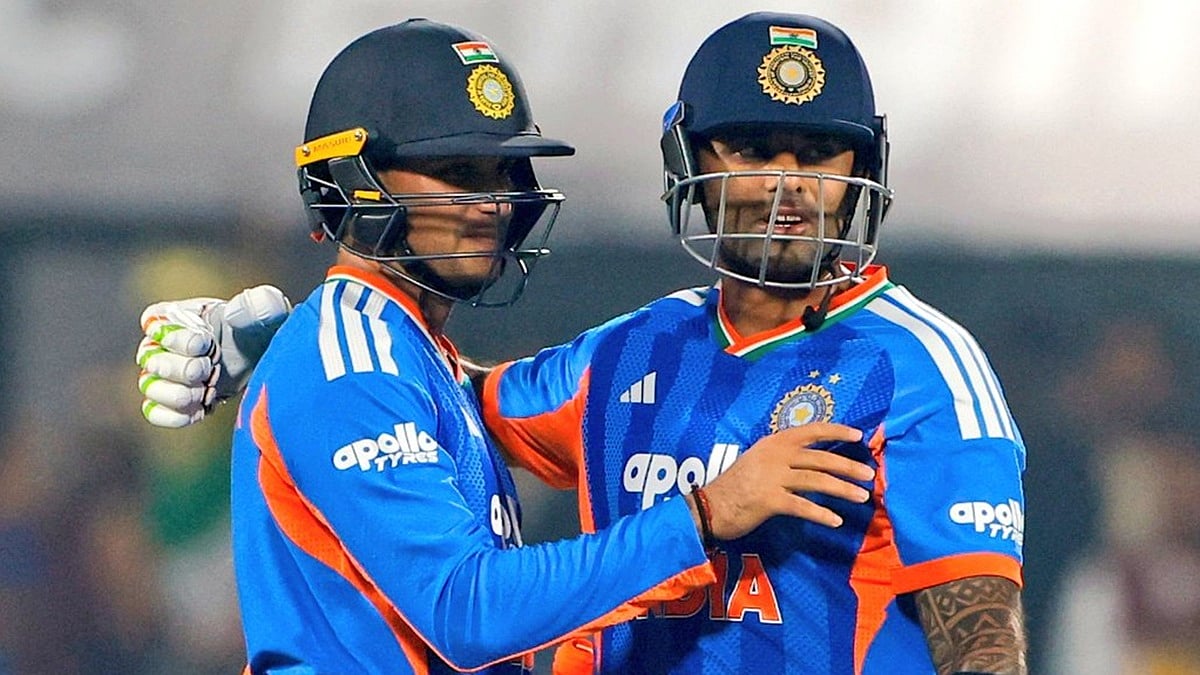
In the ind vs wi t20 contest, bowling changes can become particularly significant if one side loses momentum. Captains need to identify when a bowler is being targeted and react before an over produces a large number of runs.
Death bowling is often one of the most demanding responsibilities. Even an excellent spell can become difficult if batters are able to predict the bowler’s variations. Successful execution therefore depends on both skill and adaptability.
Pitch and Weather Conditions
Playing conditions can influence the match from the first over. A pitch with good pace and bounce may encourage aggressive stroke play, while a slower surface can reward bowlers who use cutters and variations.
Humidity, wind, and evening conditions can also influence tactics. Captains may consider whether the ball is likely to become easier to hit later or whether bowling conditions could change during the second innings.
Venue characteristics matter as well. Some grounds provide large boundaries that make running between wickets more important. Smaller boundaries can increase the value of power hitters but may also make defensive bowling extremely difficult.
Teams must therefore avoid entering the match with a rigid plan. The best tactical decisions are usually those that respond to actual conditions rather than assumptions.
How T20 Captains Manage Pressure
Captaincy becomes particularly visible in close T20 matches. Unlike longer formats, there may be only a few overs available to correct a tactical mistake. A captain might need to change a bowler immediately after an expensive over or move a fielder to prevent a particular boundary option.
Field placements are another key element. A captain may protect the boundary against a powerful hitter while leaving certain areas open to encourage singles. This creates a tactical contest between the batter’s preferred scoring zones and the captain’s defensive plan.
Decision-making becomes even more important during the final overs. Choosing which bowler should deliver a crucial over can influence the scoring rate significantly. Similarly, sending a particular batter higher in the order can determine how effectively a team uses its remaining resources.
Player Roles Matter More Than Names
The ind vs wi t20 matchup is not decided only by star players. Specialist roles are equally important. An opening batter must handle the powerplay, a middle-order player may need to rebuild or accelerate, and a finisher has to score rapidly under pressure.
All-rounders provide additional flexibility because they can contribute with both bat and ball. Wicketkeepers can also influence matches through quick stumpings, catches, and communication with bowlers.
Young players may bring energy and unpredictability, while experienced cricketers can offer better awareness of match situations. A successful team generally combines these qualities instead of depending on one individual.
Fielding should also receive attention. A dropped catch or missed run-out can change a T20 match within minutes. Strong teams treat every run saved and every half-chance created as part of the overall strategy.
What Fans Can Learn From the Scorecard
A T20 scorecard provides much more information than the final total. Run rates, partnerships, dot-ball percentages, wickets at different stages, and bowling economy can reveal how the match developed.
For example, a team may finish with a competitive total despite a slow middle phase because its batters produced a strong final five overs. Similarly, a bowling side can restrict a high-quality batting lineup by taking regular wickets even without producing an unusually low economy rate.
The ind vs wi t20 scorecard can therefore be read as a sequence of decisions rather than just a collection of numbers. Looking at when wickets fell and when scoring accelerated often explains why one side gained control.
Why This T20 Contest Remains Interesting
India and West Indies bring different cricketing cultures to the shortest format. India’s emphasis on structured team combinations and tactical depth can create a methodical approach, while West Indies’ tradition of fearless batting can introduce an element of spontaneity.
That contrast makes the ind vs wi t20 matchup appealing to viewers who enjoy tactical cricket as well as high-impact entertainment. A match can move rapidly from a controlled phase to an explosive one, especially when a batter finds rhythm or a bowler produces a breakthrough.
The contest also provides opportunities for emerging players to demonstrate their abilities. T20 cricket rewards adaptability, and players who can perform multiple roles often become especially valuable to their teams.
Conclusion
The ind vs wi t20 contest combines strategic planning, individual skill, aggressive batting, and pressure management in a format where every over matters. India can bring depth, tactical flexibility, and varied bowling options, while West Indies can pose a constant threat through powerful batting and versatile T20 skills.
Understanding the match through its different phases makes it more engaging. Powerplay scoring, middle-over control, death-over execution, bowling changes, fielding quality, and pitch conditions all contribute to the final result. Rather than focusing only on individual stars or the final score, examining these details offers a clearer picture of how a T20 contest develops.

