


The Chennai Super Kings vs Delhi Capitals match scorecard provides a complete overview of an exciting Indian Premier League (IPL) contest between two competitive franchises. Chennai Super Kings (CSK) are known for their experienced players, tactical approach and ability to perform under pressure, while Delhi Capitals (DC) bring an aggressive batting lineup and a versatile bowling attack. Matches between these sides often feature powerful hitting, important partnerships and strategic bowling changes.
One memorable encounter took place on 11 April 2026 at the MA Chidambaram Stadium in Chennai. Chennai Super Kings scored 212/2 in 20 overs before bowling Delhi Capitals out for 189, securing a 23-run victory. Sanju Samson delivered an outstanding batting performance, scoring an unbeaten 115 off 56 balls and earning Player of the Match honours. This match offered an excellent example of how an exceptional individual innings, supported by useful contributions from teammates, can influence the outcome of a T20 contest.
Chennai Super Kings vs Delhi Capitals Match Details
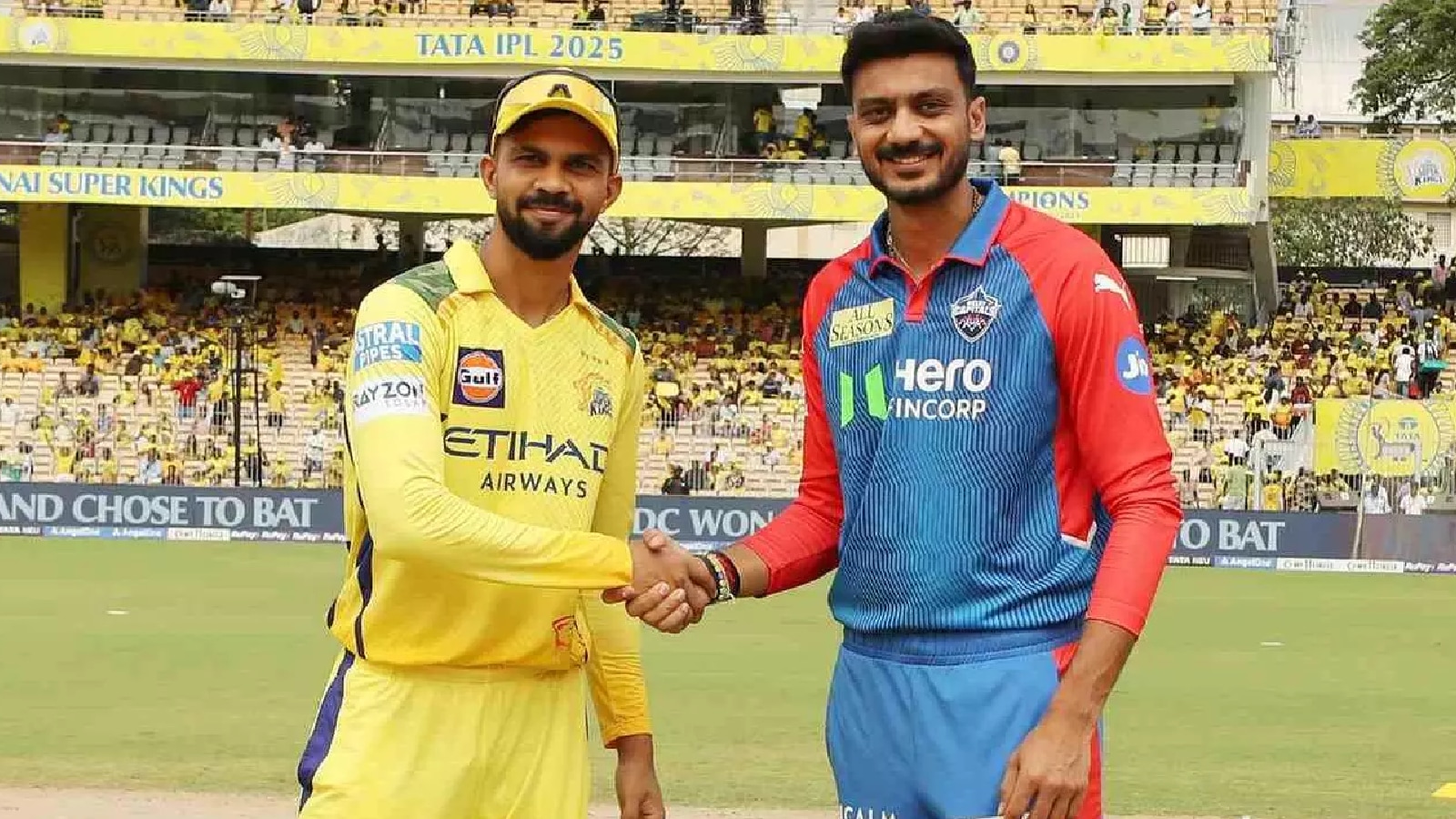
The match was played during the 2026 IPL season, with both teams looking to strengthen their position in the competition. Delhi Capitals won the toss and elected to field first, giving Chennai Super Kings the opportunity to set a target. The decision created an early challenge for Delhi’s bowlers, who needed to restrict Chennai’s attacking batting lineup.
Chennai capitalised on the opportunity by building a substantial total. Sanju Samson anchored the innings while maintaining an aggressive scoring rate, and Ayush Mhatre provided valuable support during a crucial partnership. Delhi Capitals attempted to recover during the chase, but Chennai’s bowlers continued to take wickets and prevented the visitors from reaching the required target.
| Match Information | Details |
|---|---|
| Tournament | Indian Premier League 2026 |
| Match date | 11 April 2026 |
| Venue | MA Chidambaram Stadium, Chennai |
| Teams | Chennai Super Kings vs Delhi Capitals |
| Toss winner | Delhi Capitals |
| Toss decision | Field first |
| CSK score | 212/2 in 20 overs |
| DC score | 189 all out in 20 overs |
| Result | Chennai Super Kings won by 23 runs |
| Player of the Match | Sanju Samson |
Chennai Super Kings First Innings Scorecard
Chennai Super Kings produced a powerful batting performance after being asked to bat first. The innings was dominated by Sanju Samson, whose unbeaten century gave the team a strong foundation and allowed the middle order to maintain an attacking approach. His ability to find gaps, clear the boundary and rotate the strike kept the scoreboard moving throughout the innings.
Ruturaj Gaikwad opened alongside Samson and contributed 15 runs from 18 balls before being dismissed by Axar Patel. Although Gaikwad did not score quickly, his presence helped Chennai establish an opening partnership. Ayush Mhatre then joined Samson and played an important supporting role, adding momentum during the middle overs. Their partnership placed Delhi’s bowlers under pressure and helped Chennai finish with an imposing total.
Samson’s innings included 15 fours and four sixes, demonstrating a combination of controlled stroke play and powerful hitting. His unbeaten 115 from 56 deliveries came at a strike rate above 200. Chennai finished at 212/2, giving their bowlers a competitive total to defend.

CSK Batting Scorecard
| Batter | Runs | Balls | Fours | Sixes |
|---|---|---|---|---|
| Sanju Samson | 115* | 56 | 15 | 4 |
| Ruturaj Gaikwad | 15 | 18 | — | — |
| Ayush Mhatre | 59 | — | — | — |
| Extras | 3 | — | — | — |
| Total | 212/2 | 20 overs | — | — |
Note: The table highlights the principal batting contributions. A dash indicates a figure not reproduced here; consult the official scorecard for the complete individual statistics.
Sanju Samson’s Match-Winning Century
Sanju Samson was the standout performer of the match. His unbeaten 115 off 56 balls transformed Chennai’s innings and gave the home side a strong advantage. Rather than relying exclusively on aggressive shots, Samson combined timing, placement and boundary hitting to maintain a high scoring rate. His performance was particularly important because T20 matches can change quickly when a batter dominates the bowling attack.
Samson also demonstrated the value of building an innings without sacrificing attacking intent. His early boundaries helped Chennai establish momentum, while his partnership with Ayush Mhatre ensured that the scoring rate remained high during the middle overs. As the innings progressed, Samson continued to find scoring opportunities and punished loose deliveries.
For Chennai Super Kings, this innings was a significant positive in their campaign. An unbeaten century reduced pressure on the lower order and gave the bowlers a substantial target to defend. For Delhi Capitals, the innings highlighted the importance of maintaining bowling discipline and converting fielding opportunities into wickets. Samson’s performance ultimately became the defining feature of the contest.
Delhi Capitals Second Innings Scorecard
Delhi Capitals began their chase with the challenge of scoring 213 runs to win. The required run rate demanded positive batting from the opening overs, but Chennai Super Kings needed only a few early breakthroughs to put the visitors under pressure. Delhi’s batters attempted to maintain the scoring pace, although regular wickets made it increasingly difficult to build a match-winning partnership.
Pathum Nissanka was among Delhi’s leading contributors, scoring 41 runs from 24 balls. His innings included five fours and two sixes, helping Delhi make a competitive start. KL Rahul added 18 runs from 10 deliveries, but his dismissal prevented him from building a longer innings. Sameer Rizvi contributed six runs before falling, leaving Delhi needing greater consistency from the remaining batters.
Chennai’s bowling attack benefited from timely wickets and disciplined execution. Anshul Kamboj dismissed Nissanka, while Jamie Overton also made an important contribution by taking wickets. Delhi eventually reached 189 before losing all ten wickets in 20 overs. Although the visitors scored at a reasonable pace, they could not sustain their chase against Chennai’s bowling pressure.
DC Batting Scorecard
| Batter | Runs | Balls | Fours | Sixes |
|---|---|---|---|---|
| Pathum Nissanka | 41 | 24 | 5 | 2 |
| KL Rahul | 18 | 10 | 2 | 1 |
| Sameer Rizvi | 6 | 9 | 1 | 0 |
| Other batters | Contributed to team total | — | — | — |
| Total | 189 all out | 20 overs | — | — |
This is a partial batting summary, not a complete individual scorecard. The team total and result are confirmed by the published match record.
Bowling Performance and Key Wickets
Bowling played an important role in determining the final result. Chennai Super Kings entered the second innings with 212 runs on the board, allowing their bowlers to attack while defending a strong total. The challenge was to prevent Delhi from producing a sustained partnership and to take wickets whenever the opposition attempted to accelerate.
Anshul Kamboj provided an important breakthrough by dismissing Pathum Nissanka. Jamie Overton also contributed to Chennai’s efforts by removing key batters. These wickets disrupted Delhi’s progress and made it harder for the visitors to maintain the required scoring rate. The Chennai attack benefited from pressure created by the scoreboard as well as the need for Delhi’s batters to take risks.
Delhi’s bowlers had a more difficult evening in the first innings. Axar Patel dismissed Ruturaj Gaikwad, but Chennai’s other batters made the most of their opportunities. The home side’s final score reflected the impact of its batting partnerships and the difficulty Delhi experienced in containing Samson.
Fall of Wickets and Important Partnerships
Partnerships frequently decide the outcome of T20 matches, and this contest was no exception. Chennai’s opening stand provided a positive beginning before Gaikwad was dismissed for 15. Rather than allowing the wicket to slow the innings, Ayush Mhatre joined Samson and helped build a substantial second-wicket partnership.
The pair added 113 runs from 67 balls, giving Chennai the platform to finish strongly. Their partnership combined Samson’s attacking stroke play with Mhatre’s useful contribution. Delhi missed opportunities in the field, and those moments allowed Chennai to extend its advantage.
Delhi’s chase followed a different pattern. The visitors needed partnerships capable of keeping pace with the required rate while preserving wickets for the closing overs. Nissanka’s 41 offered a promising contribution, but the loss of wickets prevented Delhi from building the kind of sustained stand that could have threatened Chennai’s total.
Key match moments included:
- Samson reaching a century and remaining unbeaten.
- Gaikwad’s dismissal giving Delhi an early breakthrough.
- The 113-run partnership between Samson and Mhatre changing the momentum.
- Nissanka’s aggressive start providing Delhi with hope during the chase.
- Chennai taking regular wickets to prevent a late recovery.
Match Analysis: Why Chennai Super Kings Won
Chennai Super Kings won because they combined an exceptional batting performance with effective pressure during the second innings. Their total of 212/2 gave them a strong position before Delhi began the chase. In T20 cricket, a total above 200 can place considerable pressure on the opposition, especially when wickets are lost before a major partnership develops.
Samson’s innings was the principal difference between the teams. His unbeaten century allowed Chennai to maintain an aggressive scoring rate without losing too many wickets. Mhatre’s contribution was also important because it prevented Delhi from regaining control after Gaikwad’s dismissal. The partnership ensured that Chennai had enough momentum to finish with a commanding total.
Delhi Capitals showed attacking intent but could not sustain it throughout the chase. Nissanka’s 41 and Rahul’s quick contribution helped the visitors get started, yet the team lost wickets at important moments. Chennai’s bowlers used those breakthroughs to keep the pressure on and eventually secured a 23-run victory.
The result also demonstrated how important fielding and execution are in close phases of a match. Missed chances can allow set batters to score freely, while well-timed wickets can quickly change a chase. Chennai made better use of its opportunities and finished the contest with a convincing result.
Chennai Super Kings vs Delhi Capitals Head-to-Head Record
The rivalry between Chennai Super Kings and Delhi Capitals has produced numerous competitive IPL encounters. Chennai have traditionally been recognised for their experience and tactical consistency, while Delhi have developed an aggressive approach built around versatile batters and a varied bowling attack.
Their recent meetings demonstrate that results can change according to conditions, individual performances and team combinations. Chennai’s 23-run victory on 11 April 2026 was followed by another win over Delhi on 5 May 2026, when Chennai won by eight wickets. These results strengthened Chennai’s recent record in this matchup.
The broader rivalry remains interesting because both teams have players capable of changing a match in a short period. Chennai can build a large total through partnerships, while Delhi can challenge strong opponents through attacking batting and timely bowling. Looking at several matches rather than one result gives readers a better understanding of the teams’ competitive history.
Important Lessons from the Match
This match offered several useful lessons for cricket followers analysing team performances and scorecards.
- Build a strong foundation: Chennai’s batting partnership helped turn a promising start into a total above 200.
- Value individual brilliance: Samson’s unbeaten century was the most influential performance of the contest.
- Maintain bowling discipline: Chennai’s bowlers took wickets at important moments instead of allowing Delhi to settle.
- Protect fielding opportunities: Missed chances can be costly when an opponent has a well-set batter.
- Manage the required run rate: Delhi needed sustained partnerships to remain on track during the chase.
These factors are useful when evaluating future IPL fixtures. A scorecard shows the final numbers, but partnerships, wickets and the timing of runs explain why one team gained an advantage over the other.
Conclusion
The Chennai Super Kings vs Delhi Capitals match scorecard from 11 April 2026 records an impressive 23-run victory for Chennai Super Kings. CSK posted 212/2 in 20 overs, powered by Sanju Samson’s unbeaten 115 from 56 deliveries and a valuable partnership with Ayush Mhatre. Delhi Capitals responded with 189 all out in 20 overs but could not complete the chase.
The contest highlighted the importance of building partnerships, maintaining a high scoring rate and taking wickets at crucial moments. Samson’s century earned him Player of the Match recognition, while Chennai’s bowling helped protect the advantage established by the batters. For readers following the IPL, the match remains a useful example of how individual brilliance and coordinated team performance can combine to produce a convincing result.
When reviewing the Chennai Super Kings vs Delhi Capitals match scorecard, the most important figures are Chennai’s 212/2, Delhi’s 189 all out and the 23-run winning margin. Together, they capture the central story of a match in which Chennai’s superior batting performance set the standard and its bowling attack completed the job.

